A documentary about courage, independence, and the universal right to chase your dreams

Every Journey Begins With a Vision
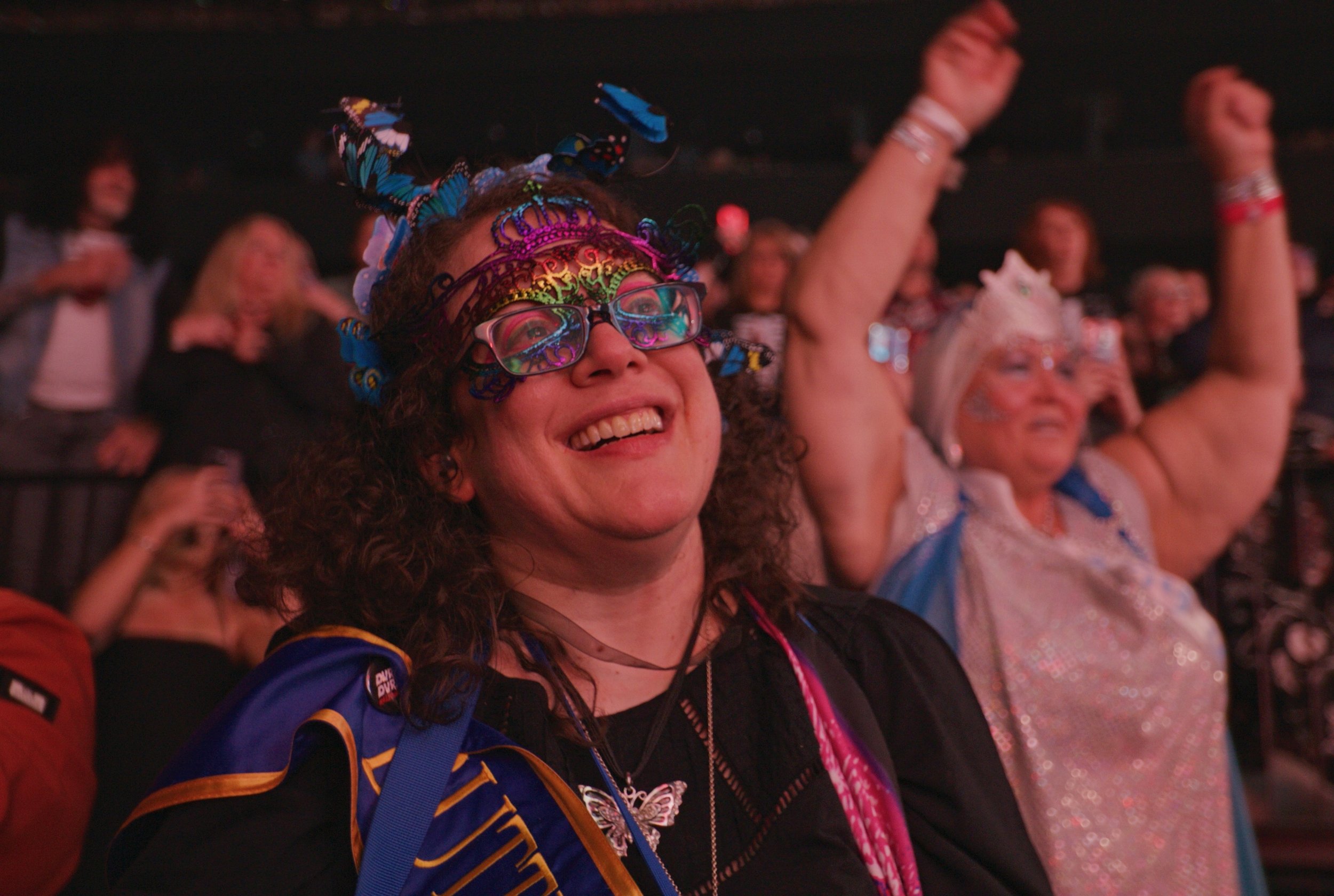
Watch the first look of Driven By Her Band and discover the extraordinary story of one woman’s lifelong wish to see her favorite band in their homeland. What begins as a love of music quickly becomes a powerful journey about perseverance, accessibility, connection, and the universal desire to belong.
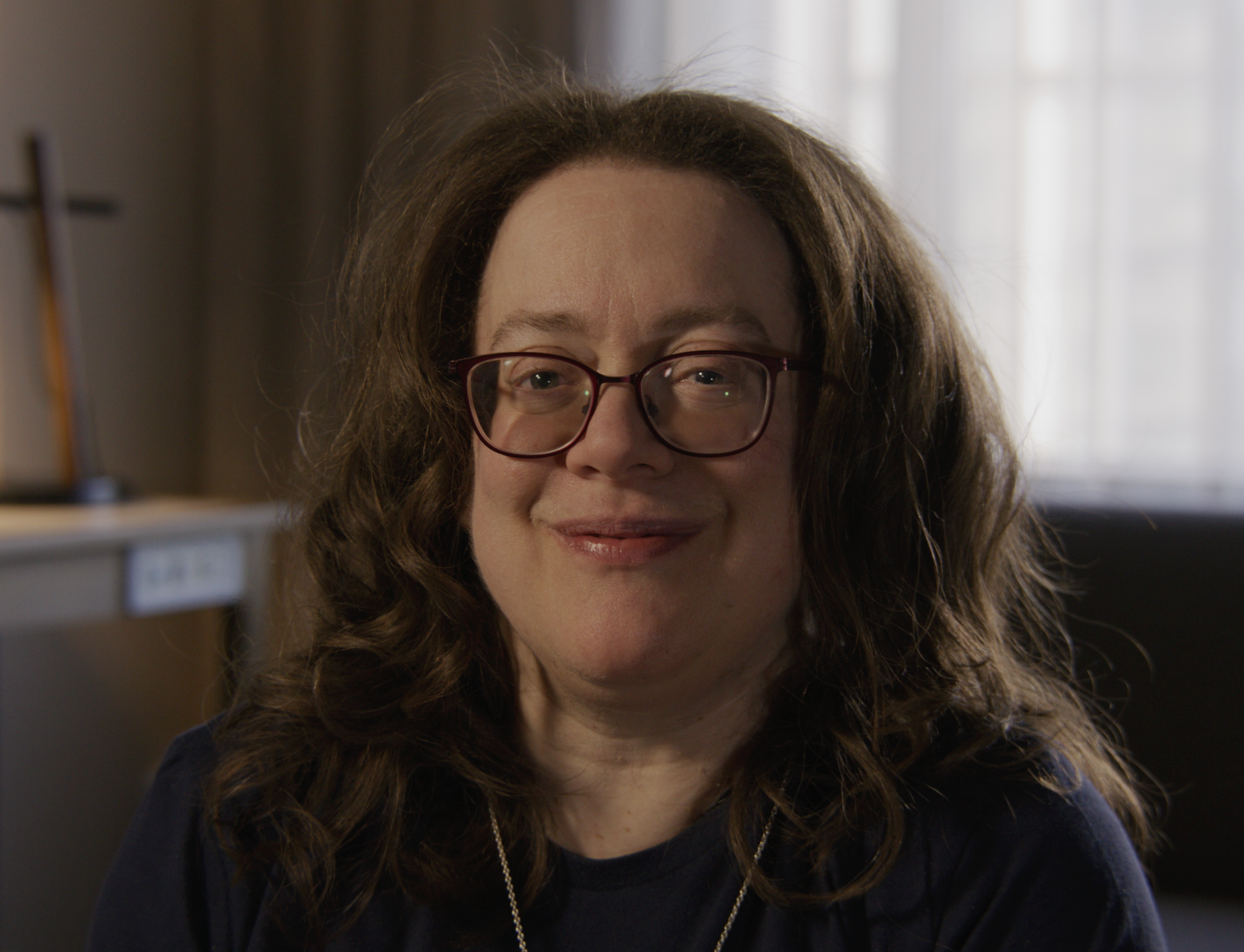
Meet Beryl Neurman
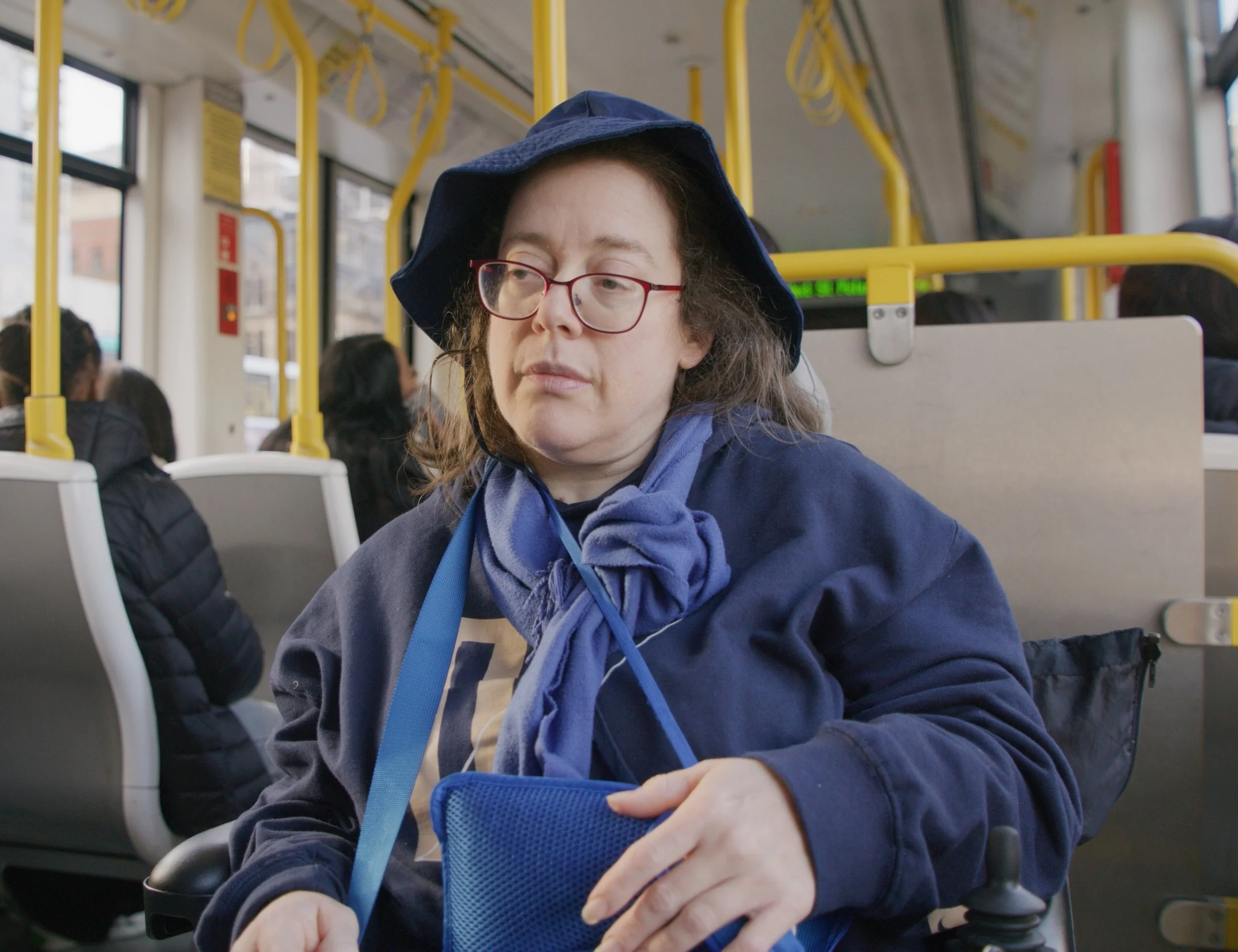
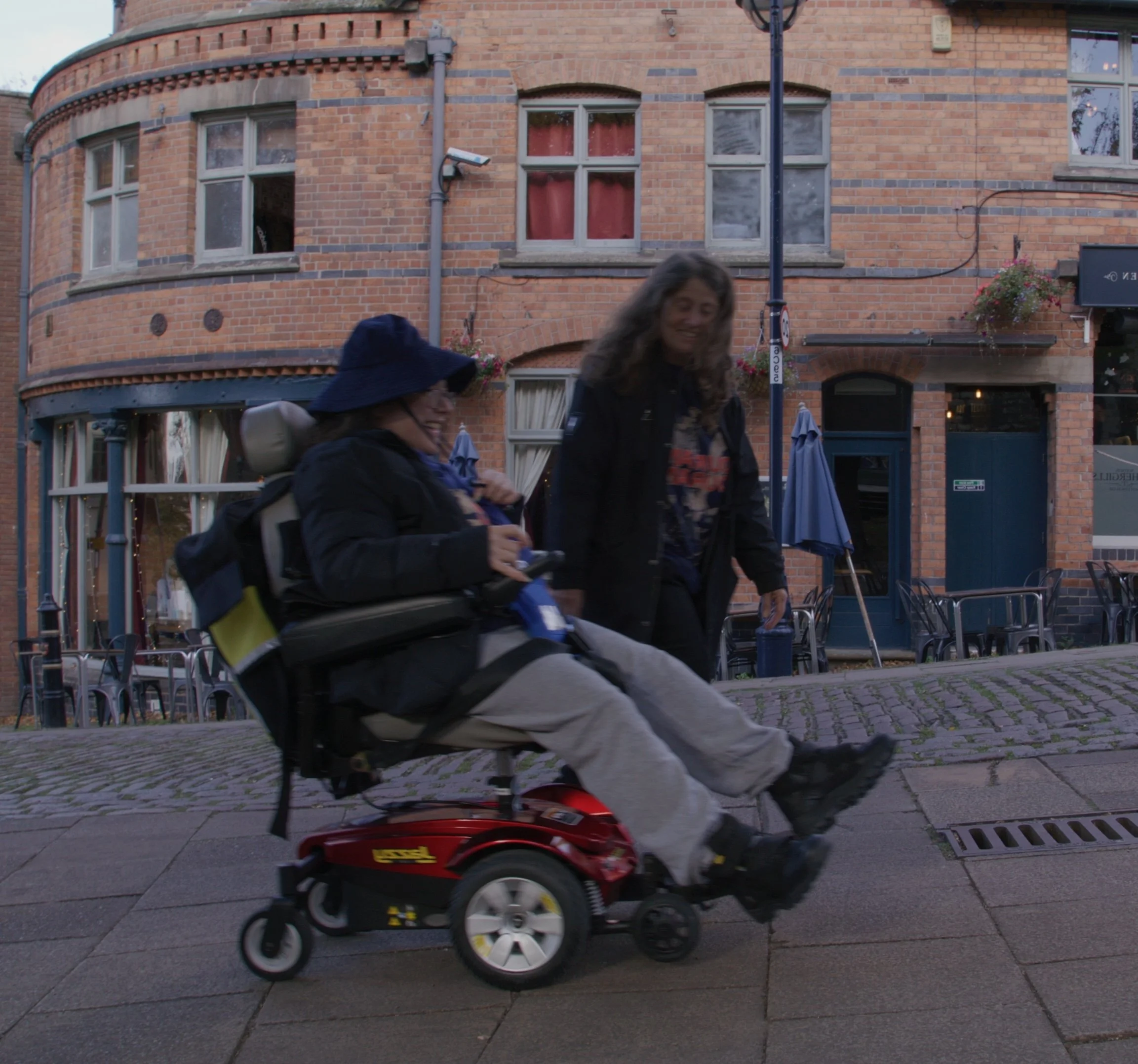
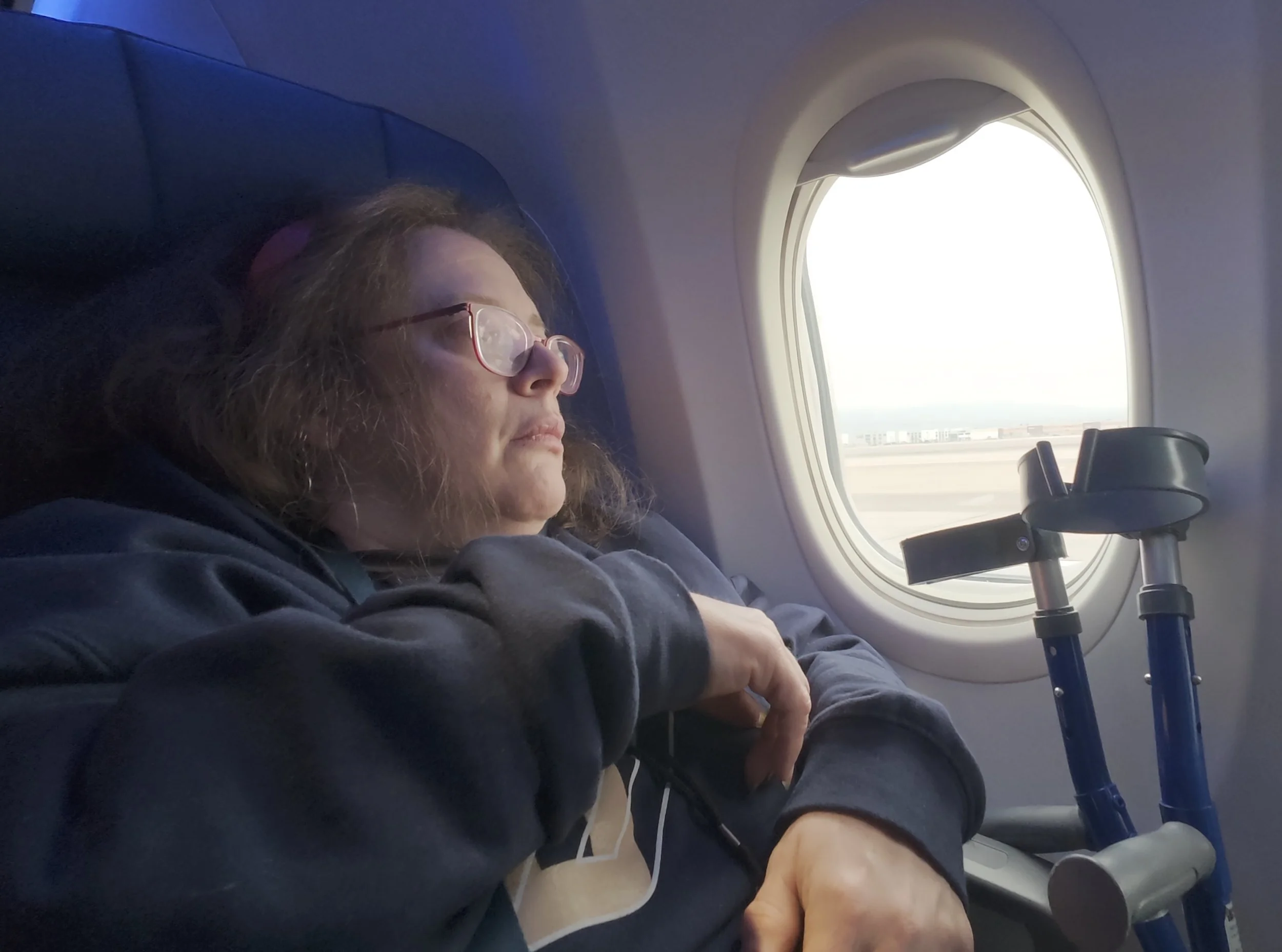
Beryl Neurman has been a devoted Duran Duran fan for decades. She is also a writer, attorney, and disability rights advocate who has lived her entire life with a severe mobility impairment caused by spastic cerebral palsy. She is unable to drive any vehicle other than her power wheelchair, and has spent much of her life feeling as if she has been forced to live in a “glass box” despite believing she should be a full part of the able-bodied world.
Throughout her life, Beryl has faced obstacles that most people never have to consider. She has never had a daily caregiver, cannot drive a car, and has often found herself navigating a world that was not designed with people like her in mind. Rather than focusing on overcoming her disability, Beryl believes her greatest challenge has been overcoming societal barriers and the limitations they create.
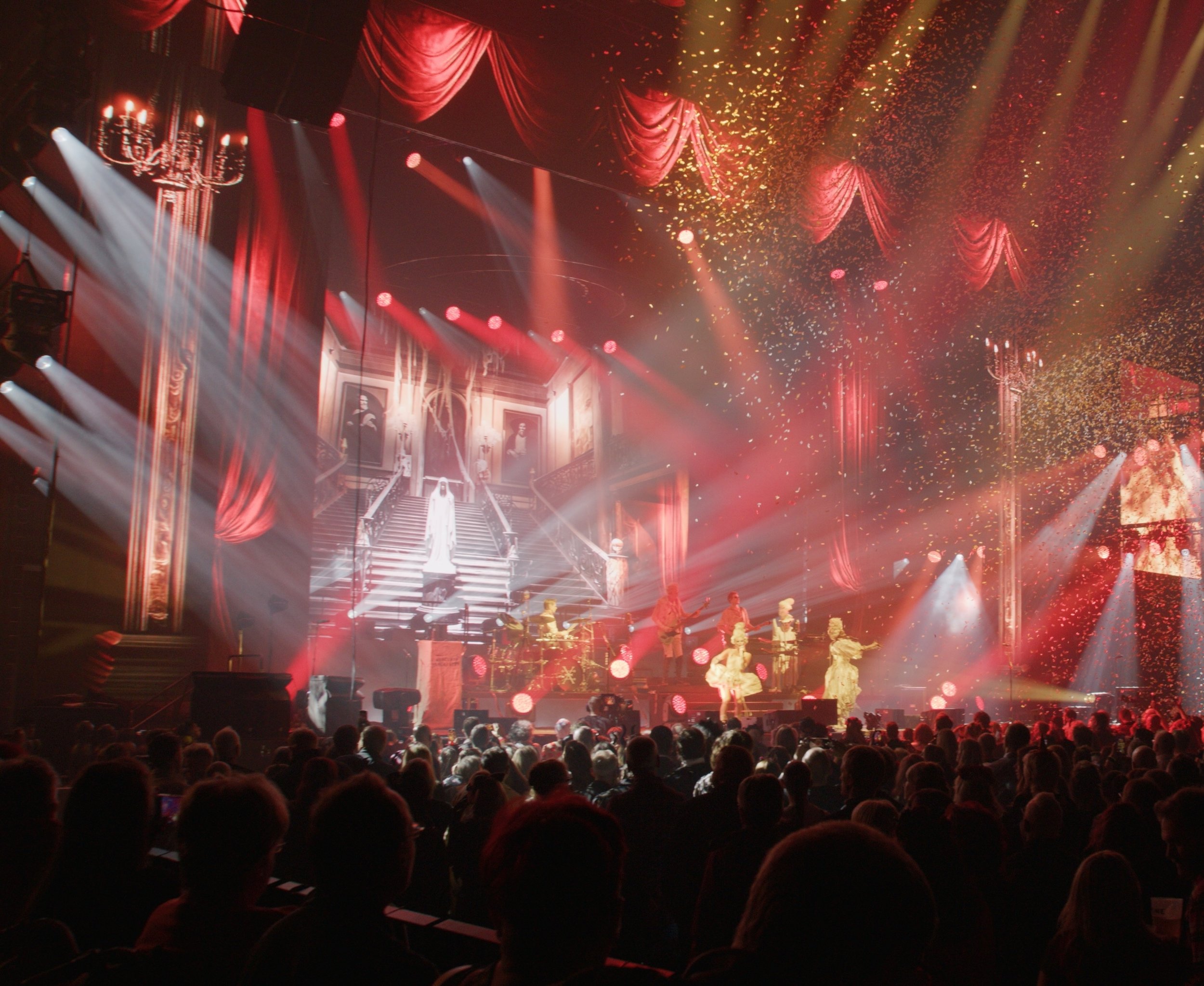
Music became her escape and her inspiration. From a very young age, Beryl fell in love with Duran Duran, immersing herself in the band’s music, history, and message of perseverance. Their music became a constant source of hope, encouraging her to keep pursuing dreams that often felt impossible. Today, that lifelong dream has become the foundation of Driven By Her Band, a documentary about having a dream, facing extraordinary obstacles, and wanting to live in an “Ordinary World” just like everyone else.

“ This isn’t a story about overcoming disability. It’s about overcoming the barriers that keep people from living
an ordinary life ”
Words From The Experts
Throughout Driven By Her Band, we speak with advocates, policymakers, and accessibility leaders who have spent their lives working to make the world more inclusive for people with disabilities. From the fight for disability rights and independent living to the ongoing effort to make live music and concert venues truly accessible, their perspectives help place Beryl’s journey within a much larger story. These conversations offer insight into how far accessibility has come, where barriers still remain, and why progress depends on people willing to keep pushing forward. Their words remind us that access is about more than ramps, policies, or accommodations. It is about the freedom to participate, to belong, and to experience the moments that make life meaningful.
Theo Braddy, Executive Director of the National Council on Independent Living (NCIL), reflects on what it means to live in a society that was never fully designed with people with disabilities in mind.
For Braddy, advocacy was not a path he originally set out to follow. It emerged from necessity, from the repeated experience of confronting barriers simply to participate in everyday life with independence, dignity, and equity. He speaks candidly about the exhaustion that can come from having to fight again and again for access that others may never have to think about.
But within that struggle comes a larger purpose. Braddy reflects on how many of history’s advocates never intended to become advocates at all. They answered a call after realizing that the obstacles affecting their own lives were also affecting countless others. In that realization, advocating for oneself becomes something greater: a way of fighting for an entire community and helping build a world where the next generation may not have to fight quite so hard.
Heidi Case, Chair of the MAAC, and Advisor for DDOT, reflects on the persistent transportation barriers faced by people who use wheelchairs, and how new technologies can repeat old patterns when accessibility is treated as an afterthought.
Case points to the arrival of companies like Uber and Lyft in Washington, D.C., when wheelchair users were often directed elsewhere for service rather than given equal access to the same transportation network. She explains how that separation carried real consequences, including longer waits, higher costs, and fewer choices for people who depended on accessible vehicles.
For Case, the issue is ultimately about equal participation. As emerging transportation services such as autonomous vehicles enter the market, she warns against repeating systems that divide riders based on disability. Her advocacy underscores a simple principle: accessibility should not be a separate service added later. It should be built into transportation from the beginning, so independence, mobility, and opportunity are available to everyone on equal terms.
Tom Harkin, former United States Senator & Chief Author of the ADA, reflects on the vision behind the Americans with Disabilities Act and the four goals that helped shape it: full participation, equal opportunity, independent living, and economic self-sufficiency.
For Harkin, these principles are not abstract ideals. They mean having the freedom to take part in every aspect of American life, to travel, live among friends, pursue meaningful work, and build a future with the same opportunities afforded to everyone else. He speaks especially about independent living as a foundation for dignity, choice, and self-determination.
Looking back on the progress made since the ADA, Harkin also warns that those gains cannot be taken for granted. The work of inclusion, he suggests, is not finished simply because laws have been passed. It must continue through education, employment, access, and the determination to protect the rights and opportunities that generations of advocates worked so hard to secure for people with disabilities across America. His closing image is unmistakable: his wheelchair has no reverse. It only goes forward.
Steven Shafarman, Awareness Heals : The Feldenkrais Method for Dynamic Health, reflects on the relationship between breathing, movement, pain, and the nervous system, challenging many of the conventional ideas we are taught about how the body works.
For Shafarman, breathing is not something that should be forced or consciously controlled at every moment. It emerges naturally through movement as the ribs, spine, and body continually change shape. By learning to move with greater ease and skill, he explains, breathing can become more spontaneous and efficient, an especially important consideration for people living with pain or physical limitations.
Drawing from his work with Moshe Feldenkrais and decades of studying movement, Shafarman emphasizes the nervous system as the foundation of everything we do. His perspective offers another way of thinking about the body, one centered less on willpower and correction and more on awareness, adaptability, and learning. In that process, movement and breathing become tools for discovering greater comfort, possibility, and freedom.
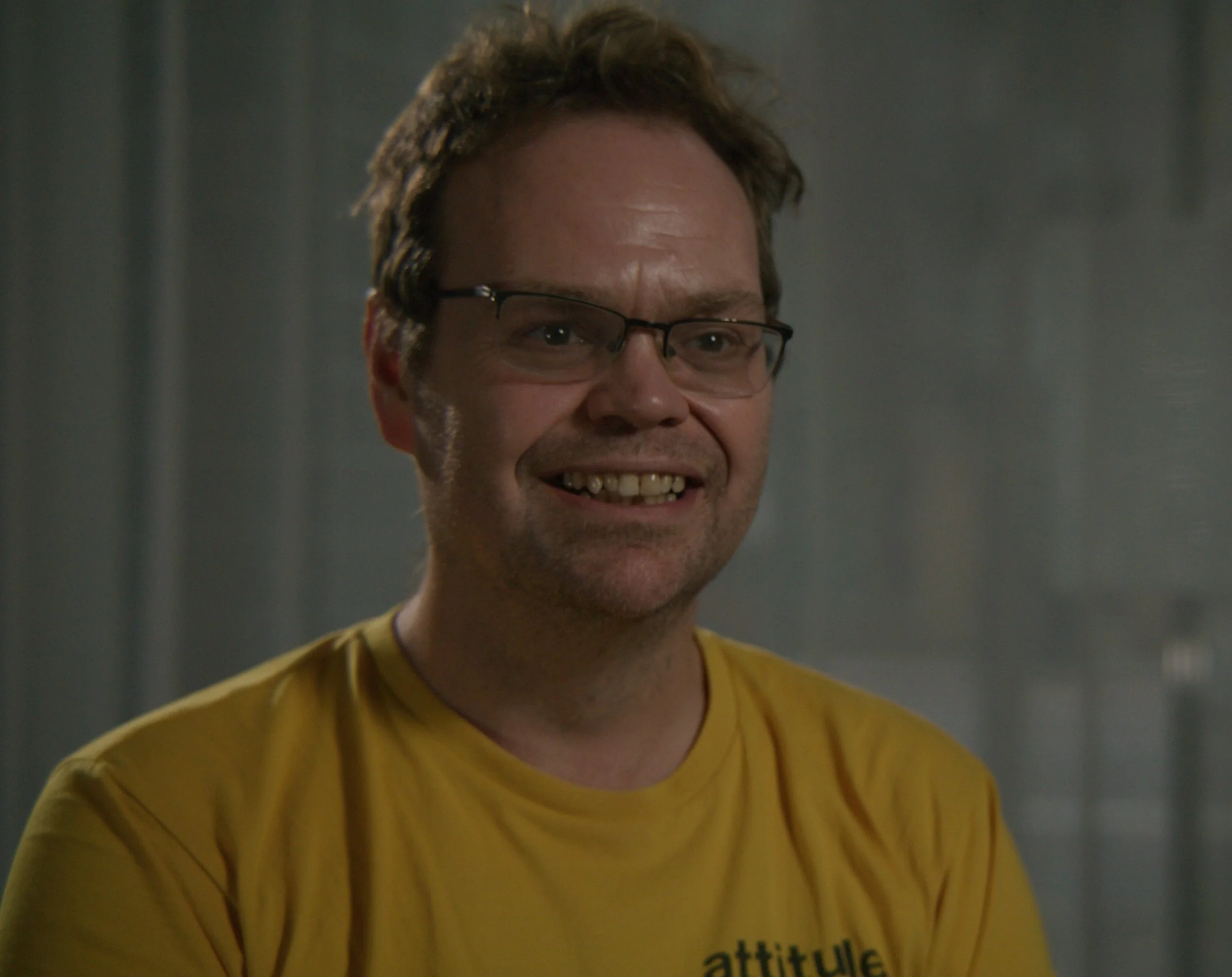
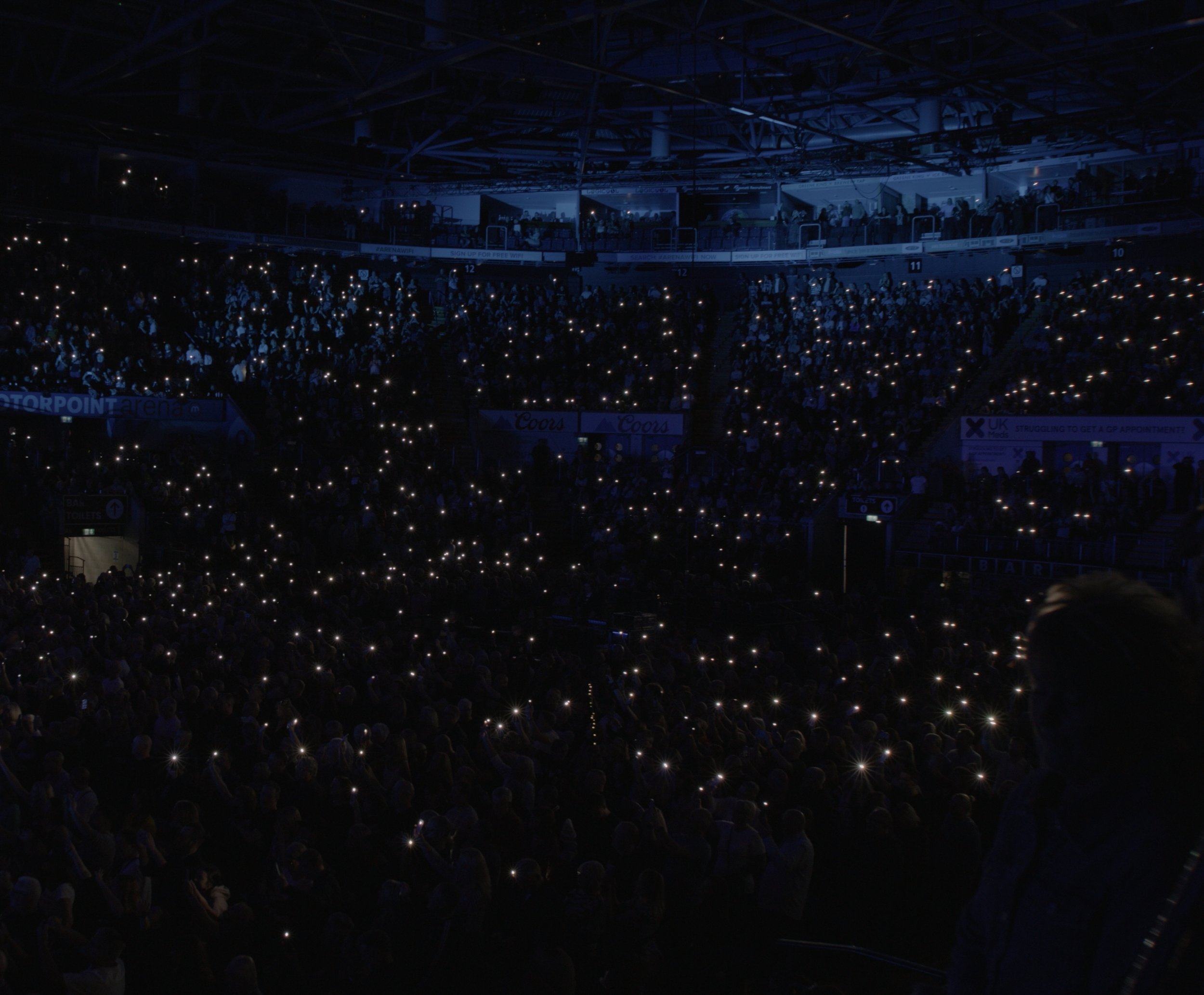
Paul Hawkins, Deputy CEO of Attitude is Everything in the United Kingdom, reflects on the deeply personal role music has played in his life and why access to live music should be understood as far more than a matter of convenience.
For Hawkins, music became a way to process emotion, find connection, and better understand himself from a young age. That personal relationship informs his work today, where he advocates for disabled people to have equal access to concerts, festivals, and music venues. He explains that when disabled people are absent from these spaces, that exclusion can shape how society thinks about who belongs, who participates, and whose experiences are valued.
Hawkins also points to the broader importance of live events for wellbeing, community, and joy. Access to music can reduce isolation, create meaningful social connection, and allow people to take part in experiences that enrich everyday life. His perspective makes the case that accessible venues are not simply about removing barriers. They are about making sure everyone has the opportunity to participate, belong, and experience joy.
“ The greatest barriers aren’t always physical. They’re the ones society never thinks about ”

Become Part of the Story
Independent documentaries are made possible one supporter at a time. Every contribution, no matter the size, helps us continue filming, edit hundreds of hours of footage, secure music rights, complete post-production, and bring Driven By Her Band to audiences around the world.
If Beryl’s story resonates with you, we’d be honored to have you become part of the journey. As a thank you, supporters will receive an official Supporter Credit in the film’s end credits, recognizing your role in helping make this documentary possible.
Whether you choose to give $20, $50, $100, $250, $500 or $1000, your support directly helps tell a story about perseverance, accessibility, connection, and the universal pursuit of living an ordinary life.
Every name in our credits represents someone who believed this story deserved to be told.
Executive Producer
& Sponsorship Opportunities
For those looking to make a lasting impact, we invite you to join Driven By Her Band as an Executive Producer or Sponsor. Your support allows us to elevate every aspect of the production, from additional filming and animation to music licensing, color grading, sound design, accessibility, festival submissions, marketing, and worldwide distribution.
For organizations and brands, customized sponsorship packages are also available. Opportunities may include on-screen recognition, promotional collaborations, premiere and festival visibility, social media features, and other tailored benefits designed to align with your organization’s goals and level of involvement.
Independent documentaries are built through the generosity of people who believe meaningful stories deserve to be told. If Driven By Her Band resonates with you, we’d be honored to have you join us in bringing Beryl’s extraordinary journey to audiences everywhere.
As an Executive Producer, you’ll become an important part of the filmmaking journey. In addition to receiving a prominent Executive Producer credit in the film and recognition on our website (and IMDb), you’ll receive exclusive behind-the-scenes production updates, invitations to private virtual screenings and feedback sessions, a signed commemorative poster, a collector’s edition physical copy of the completed film, and VIP invitations to attend the film’s premiere. Sponsors and Executive Producers will also have opportunities to connect directly with the filmmakers, follow the creative process as the documentary evolves, and celebrate with us as the film reaches audiences around the world.